
Nourish Your Body, Empower Your Life
Discover daily foods that can support women's health, energy, and wellbeing at every stage of life.
The information on this site is for educational purposes only and does not constitute medical advice. Always consult a qualified healthcare professional before making health decisions.
Foods That Transform Women's Health
Essential daily foods backed by nutritional science to support your health journey, from hormonal balance to energy and vitality.
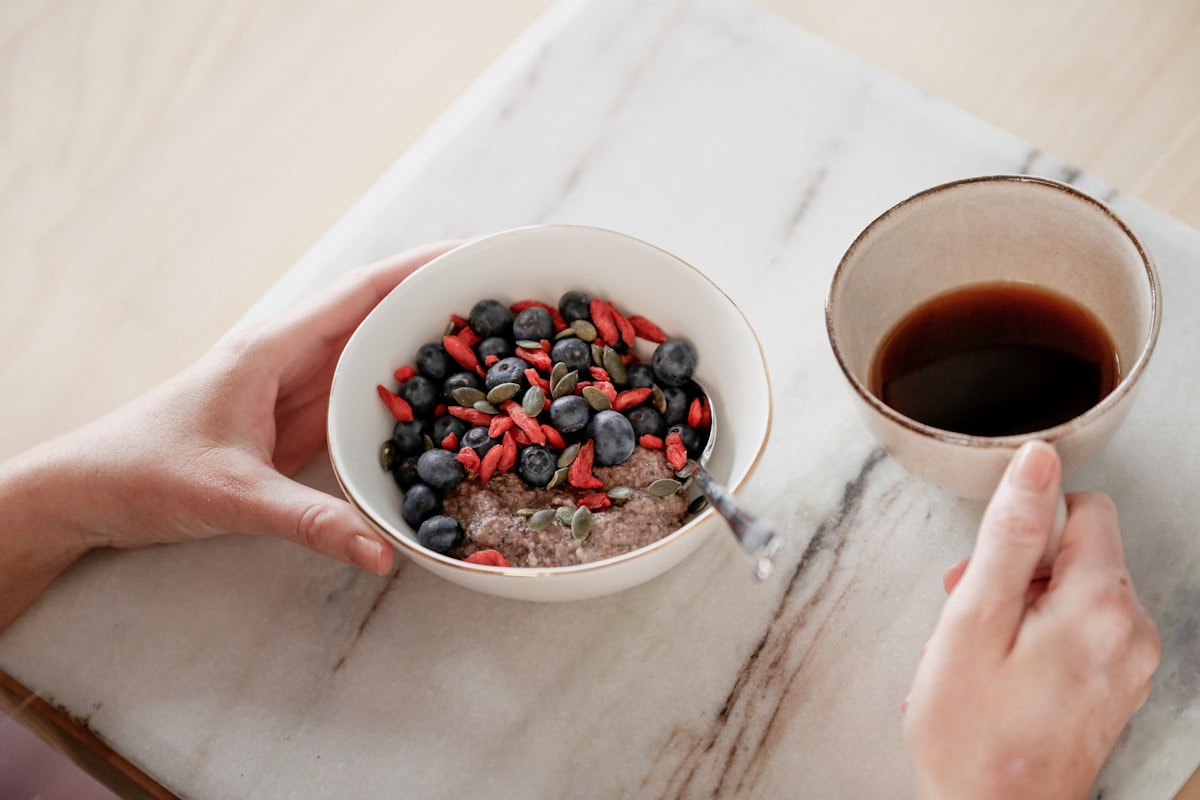
Leafy Greens & Vegetables
Iron, calcium, and folate-rich foods that support bone strength, energy levels, and hormonal balance throughout your month.
Learn More →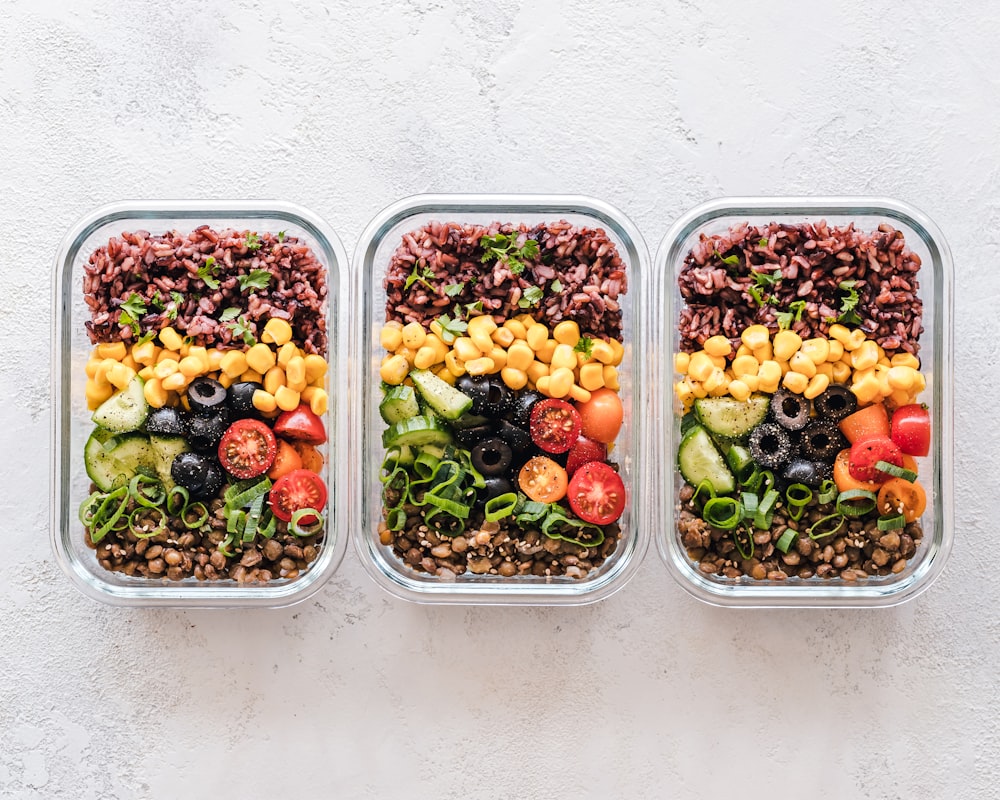
Complete Proteins
Fish, eggs, legumes, and plant-based proteins that help maintain muscle, regulate metabolism, and support stable blood sugar.
Learn More →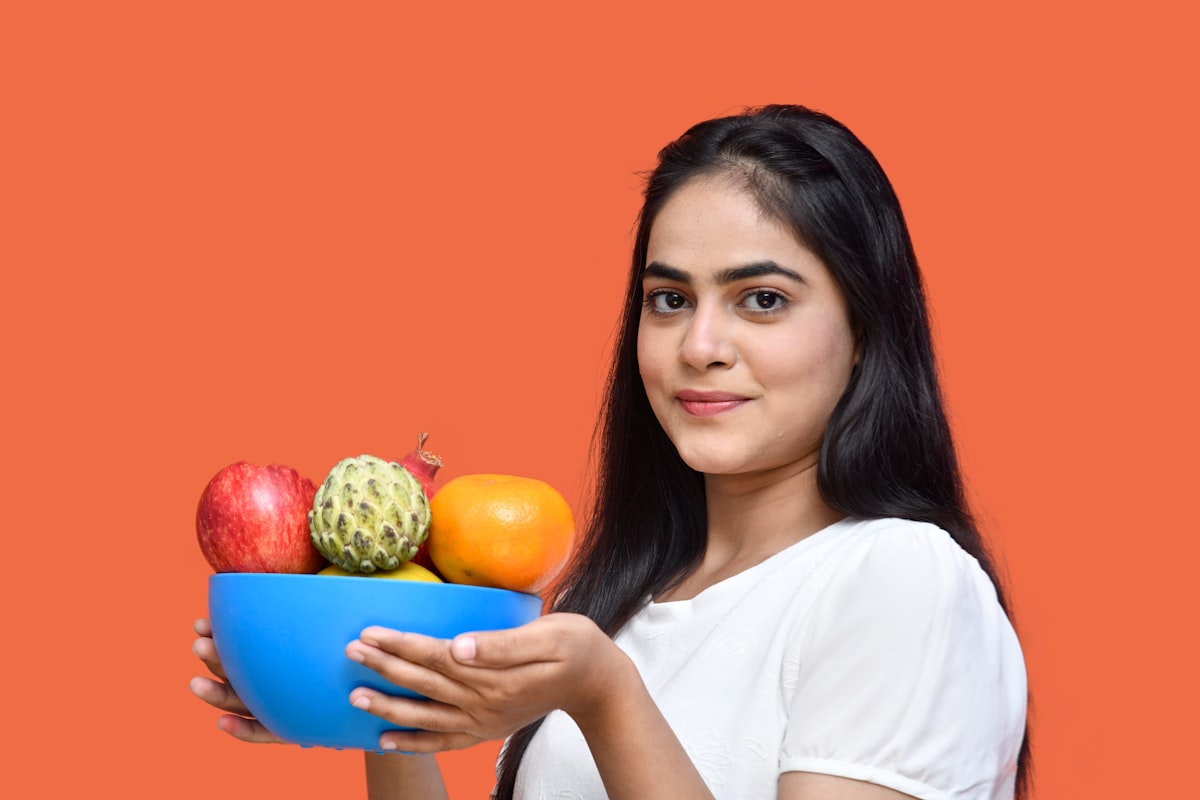
Whole Grains & Fiber
Oats, quinoa, and whole grains that provide sustained energy, support digestive health, and aid hormonal regulation naturally.
Learn More →Why Daily Nutrition Matters for Women
Women's nutritional needs are unique and dynamic, changing across different life stages. From supporting energy and hormonal balance to building strong bones and maintaining cognitive function, the foods you eat daily directly impact how you feel and thrive.
Our editorial research shows that consistent, intentional nutrition choices—not quick fixes—create lasting improvements in energy, mood, and overall vitality. This is why the Wisewomenfoodpath focuses on accessible, science-based guidance for everyday eating.
- Hormonal Balance: Foods that support natural hormonal rhythms and reduce energy crashes.
- Sustained Energy: Nutrient-dense choices that keep you focused and active throughout the day.
- Bone & Heart Health: Essential minerals and healthy fats for long-term wellbeing.
- Mental Clarity: Omega-3s, B vitamins, and antioxidants that support cognitive function.

Essential Daily Food Groups
A practical guide to the nutrients and food categories every woman needs for optimal daily wellness and long-term health.
Colorful Vegetables
Aim for 5+ servings daily: dark leafy greens (spinach, kale), orange vegetables (carrots, sweet potatoes), cruciferous vegetables (broccoli, cauliflower), and red varieties (tomatoes, peppers). Each color provides different antioxidants and minerals essential for women's health.
Read article →Whole Grains
Include 6-8 ounces of whole grains daily: brown rice, oats, quinoa, whole wheat bread, and barley. These provide B vitamins for energy metabolism, fiber for digestive health, and magnesium for muscle function and stress resilience.
Read article →Lean Proteins
Eat 5-6 ounces daily from varied sources: fish (rich in omega-3s), poultry, eggs, legumes, nuts, and seeds. Protein supports muscle maintenance, hormone production, and satiety. Vary your sources for diverse micronutrient profiles.
Read article →Fresh Fruits
Enjoy 2-3 servings daily: berries (antioxidant powerhouses), citrus (vitamin C), apples (fiber), and seasonal fruits. Fruits provide natural sweetness, hydration, and essential vitamins that support immune function and skin health.
Read article →Healthy Fats
Include 5-6 teaspoons daily: olive oil, avocados, nuts, seeds, and fatty fish. Healthy fats support hormone balance, reduce inflammation, improve nutrient absorption, and promote satiety and mental clarity.
Read article →Hydration & Beverages
Drink 8-10 glasses of water daily, plus herbal teas and unsweetened beverages. Proper hydration supports energy, digestion, skin health, and cognitive function. Limit added sugars and focus on whole-food based drinks.
Read article →Real Stories from Real Women (Note: Individual results may vary)
Discover how women across Germany have transformed their daily eating habits and experienced greater energy, balance, and wellbeing.
"I was constantly tired and felt bloated after meals. After implementing the daily food recommendations from Wisewomenfoodpath, within three weeks I noticed a significant shift in my energy levels. The practical guidance about pairing proteins with greens and whole grains finally clicked for me. I'm sleeping better, my skin looks clearer, and I feel genuinely energized throughout the day. This isn't about restriction—it's about nourishment."
Sarah Mueller
Munich, Germany
"As someone with an irregular schedule, I struggled to maintain consistent eating patterns. The Wisewomenfoodpath articles gave me realistic strategies for women working long hours—nutrient-dense snacks, meal prep ideas that don't take hours, and how to make smart choices even when eating out. The focus on nutrient timing for hormonal balance changed how I think about food. It's evidence-based, not dogmatic."
Julia Hoffmann
Berlin, Germany
"The articles about iron-rich foods and calcium sources have been genuinely helpful during my perimenopause transition. Instead of feeling lost, I have a clear understanding of why certain foods matter at this stage and how to structure my meals. The writing is clear, relatable, and backed by real science. I've shared this resource with my daughter and several friends."
Christine Weber
Stuttgart, Germany
"I'm vegetarian and often felt confused about getting enough protein and B vitamins. Wisewomenfoodpath's comprehensive articles on plant-based nutrition for women specifically have been eye-opening. The recommendations are practical, the science is explained clearly, and I finally feel confident that my daily eating pattern supports my health goals. No judgment, just solid guidance."
Anna Köhler
Hamburg, Germany
Common Questions About Women's Nutrition
Find answers to frequently asked questions about daily nutrition, food choices, and building sustainable eating habits.
The recommended daily amounts for adult women are: 5+ servings of vegetables, 2-3 servings of fruit, 6-8 ounces of whole grains, 5-6 ounces of lean protein, 5-6 teaspoons of healthy fats, and 8-10 cups of water. These amounts support energy, hormonal balance, and long-term health. Individual needs vary based on activity level, age, and health status, so our articles provide guidance on personalizing these recommendations for your unique situation.
Several food categories support hormonal balance: complex carbohydrates (whole grains, legumes) help regulate serotonin and blood sugar; omega-3 rich foods (fatty fish, flaxseeds) reduce inflammation; calcium and magnesium-rich foods (leafy greens, almonds) support estrogen metabolism; and adequate protein at each meal stabilizes insulin and glucose. Our detailed articles explain the science behind hormonal nutrition at different life stages and provide specific food combinations that work synergistically for women's health.
Yes, with thoughtful planning. Plant-based diets can fully support women's health when they include adequate protein from legumes, tofu, tempeh, nuts, and seeds; iron from dark leafy greens paired with vitamin C sources; omega-3s from flaxseeds, chia seeds, and walnuts; and B vitamins from whole grains and fortified foods. Our comprehensive guide to plant-based nutrition for women addresses common concerns about B12, iron absorption, and protein timing to ensure you're nourished on whatever dietary path you choose.
Sustainable eating is about addition, not subtraction. Start by identifying nutrient-dense foods you genuinely enjoy, then intentionally add them to your meals. Focus on how foods make you feel—increased energy, clearer thinking, better mood—rather than external metrics. Our framework emphasizes flexibility, cultural food preferences, and building habits gradually over weeks and months. The goal is nourishment that fits your lifestyle, not perfection. Real change happens through consistent small choices, not dramatic overhauls.
Hydration is foundational for every bodily function: energy production, nutrient transport, temperature regulation, cognitive function, and skin health. Women should aim for 8-10 glasses of water daily, adjusted for activity level and climate. Beyond plain water, herbal teas, broths, and water-rich foods like vegetables and fruits contribute to hydration. Our articles explore optimal hydration timing throughout the day, how to recognize dehydration symptoms, and why women's hydration needs may vary throughout their menstrual cycle.
Energy is directly impacted by blood sugar stability, iron status, B vitamin levels, hydration, and overall nutrient density. Pairing protein with fiber and healthy fats at each meal prevents energy crashes. Iron-rich foods (red meat, legumes, dark greens) support oxygen transport and energy production. B vitamins from whole grains facilitate energy metabolism. Our detailed articles map the nutritional causes of fatigue and provide specific food combinations and meal timing strategies that real women use to sustain energy from morning through evening.
Start Your Health Journey Today
Explore our comprehensive collection of articles, guides, and evidence-based nutrition insights designed specifically for women's health. Make informed daily food choices that nourish your body and support your wellbeing.
Questions? Get in touch with our editorial team